Yongxing Notes on Fabric Blends in Knitted Jumpsuits
Posted by yongxing yongxing
Filed in Other 3 views
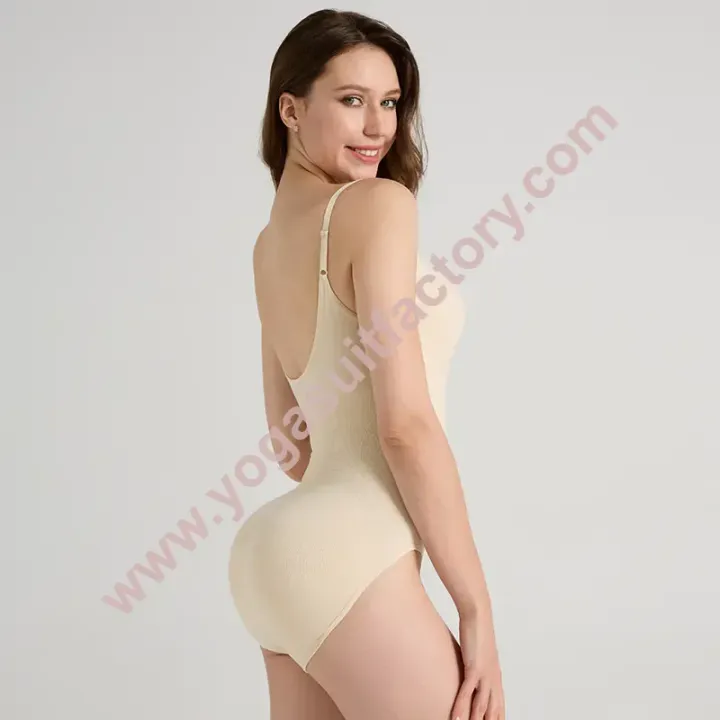
The fabric that felt softest and stretchiest in my hands was also the one that wore thin fastest, which is the opposite of what I assumed when I first started handling samples. A Women's Yoga Jumpsuit is a single garment that covers the torso and legs, so one weak area can spoil the whole piece, and that makes it worth understanding what the cloth is made of before anything else.
Most garments of this kind are knitted from a blend, with a main yarn that gives the cloth its handle and a springy filament that gives it stretch. I have no specification sheet for any particular product in front of me, so I am describing the general picture, and the care label is the only dependable source for the real fiber content. Synthetic yarns commonly dry quickly and resist stretching out, while natural ones tend to feel softer and hold moisture longer, and a blend tries to borrow a little from each side.
Weight and density matter as much as fiber. Hold a sample up to a window and pull it gently, and a dense, evenly knitted cloth shows a steady grain of light, whereas a thin or uneven one opens into pale patches that only get wider with use. A friend once dropped into a deep squat in light leggings and the panel behind the knee turned faintly see-through, which no flat photograph had hinted at, and a one-piece garment gives that problem a lot of surface to appear on.
Pilling is the next thing to look for. Rub a small patch of the cloth firmly against itself with your fingertips for a few seconds, and a well-made surface stays smooth while a weaker one starts to lift tiny fuzzy balls, usually where the thighs meet and under the arms. Color deserves a rub as well, so press a damp white cloth against a dark area and see whether any dye comes away.
Stitching often gives up before the cloth does. Look closely at the seams around the shoulders, the crotch and the underarms, because those spots take the most pulling, and the stitches should lie flat, even and tight without loose loops or skipped gaps. Tug gently on a strap or a join and the thread should stay put without a visible gap opening, while a hem that has been turned and sewn neatly will not curl or ladder after a few washes. Zips, where there are any, deserve a slow run up and down, since a catchy slider or a loose tape is a common early failure.
Elastic recovery is the quiet test of how long a garment keeps its shape. Pull a section sideways close to its limit, hold it for a few seconds, release it, and lay it flat to see whether an outline or baggy patch remains, because cloth that stays slack at the knees or seat after one test will only get looser in the wash. I usually do this at the kitchen table before anything else, and it takes less time than reading a product description.
Washing habits decide a lot of what happens afterward. Most care labels for this type of garment suggest a gentle cycle, and a mesh bag helps protect the knit from catching on hooks and zips, while high heat in the dryer is a common reason for stretch fiber going dull and tired. Where a factory describes its own process, it is reasonable to ask which yarns it uses, how seams are reinforced, and how finished pieces are checked before cartons are packed, since a maker used to this product can usually answer plainly.
A product listing such as the one at https://www.yogasuitfactory.com/ can show the cut and the colors, but how dense the cloth runs behind the knee and how neatly the underarm seam is finished only show up in the hand. Next time you pick up a Women's Yoga Jumpsuit, turn it inside out and look at the crotch seam under a window, because the way the stitches lie there, flat or bunched, says a good deal about how the rest of the garment was put together.